Brain Reaction Time: Understanding and Improving Your Cognitive Speed
A split-second decision can mean the difference between triumph and failure, and your brain’s reaction time is the key to unlocking your full potential. It’s that lightning-fast response that determines whether you catch a falling glass or let it shatter, dodge a speeding car, or even nail that perfect comeback in a heated argument. But what exactly is Reaction Time Test, and why does it matter so much in our daily lives?
Reaction speed test time is the interval between a stimulus and our response to it.
It’s a crucial aspect of brain cognition: unraveling the mysteries of mental processing, influencing everything from our reflexes to our decision-making abilities. In a world that’s moving faster than ever, our ability to react quickly can make or break countless situations.
Think about it: How many times have you wished you could’ve reacted just a tad faster? Maybe you’ve missed catching a ball thrown your way, or perhaps you’ve struggled to hit the brakes in time when a pedestrian unexpectedly crossed the street. These split-second moments highlight the importance of reaction time test in our everyday experiences.
But here’s the kicker: reaction speed test time isn’t a fixed trait. It’s influenced by a whole host of factors, from your age and physical fitness to how well you slept last night and what you had for breakfast. Heck, even your mood can play a role in how quickly your brain processes information and sends signals to your body to act.
The Science Behind Brain Reaction Time: A Neurological Rollercoaster
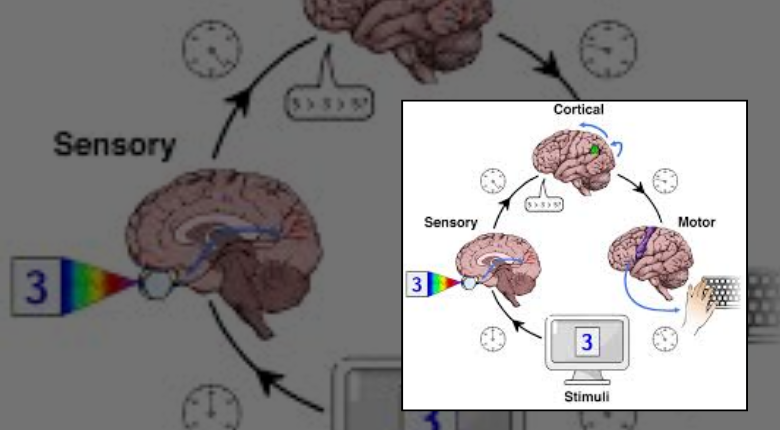
Let’s dive into the nitty-gritty of what’s happening in your noggin when you react to something. It’s like a neurological relay race, with different parts of your brain passing the baton at lightning speed.
First up, your sensory organs detect a stimulus – let’s say you see a ball flying towards your face. This visual information zips along your optic nerve to your brain’s visual cortex. From there, it’s a mad dash through various brain regions as your gray matter figures out what’s happening and decides what to do about it.
Your frontal lobe, the brain’s decision-making headquarters, jumps into action. It’s like a general barking orders: “Incoming projectile! Evasive maneuvers!” These commands race down your spinal cord and out to your muscles, telling them to move – duck, catch, or swat that ball away.
This whole process happens in the blink of an eye, typically taking between 150 to 300 milliseconds. That’s faster than you can say “Holy guacamole!” Pretty impressive, right?
But wait, there’s more! Brain processing: how our minds make sense of the world isn’t always the same. There are actually different types of reaction time:
1. Simple reaction test time: This is when there’s one stimulus and one response. Like hitting the brake when a red light appears.
2. Choice reaction test time: Here, you’ve got multiple stimuli and responses to choose from. Think of a game of “Whack-a-Mole” – you’ve got to decide which mole to bonk.
3. Discrimination reaction test time: This is the most complex. You need to respond to some stimuli but not others. It’s like playing “Simon Says” – you only move when Simon says so.
Now, let’s talk brain juice. Neurotransmitters, the chemical messengers in your brain, play a huge role in reaction speed test. Dopamine, norepinephrine, and acetylcholine are like the pit crew in a Formula 1 race, fine-tuning your neural engines for peak performance.
Factors Affecting Brain Reaction Time: It’s Not Just About Age
You’ve probably heard that reaction time slows down as we age. And while that’s generally true, it’s not the whole story. Your reaction time isn’t just a function of how many candles were on your last birthday cake.
Let’s start with the elephant in the room: age. Yes, as we get older, our reaction time test tend to slow down. It’s like our brains are running on Windows 95 while the world has upgraded to the latest OS. But don’t despair! This decline isn’t uniform across all types of reactions, and there’s a lot you can do to keep your neural reflexes sharp.
Physical fitness is another major player in the reaction speed test time game. Regular exercise isn’t just good for your biceps; it’s a workout for your brain too. Brain activity: understanding and measuring neural processes shows that physically fit individuals often have faster reaction times test. It’s like your brain is doing burpees every time you hit the gym.
Now, let’s talk about something we all love but often skimp on: sleep. Fatigue is reaction time’s test arch-nemesis. When you’re running on empty, your brain’s processing speed takes a nosedive. It’s like trying to run a marathon after pulling an all-nighter – not a great idea.
And don’t forget about what’s on your plate! Nutrition and hydration play a crucial role in keeping your brain firing on all cylinders. Your brain is like a high-performance sports car – it needs the right fuel to perform at its best. Omega-3 fatty acids, antioxidants, and good old H2O are like premium gasoline for your gray matter.
Measuring Brain Reaction Time: Put Your Reflexes to the Test
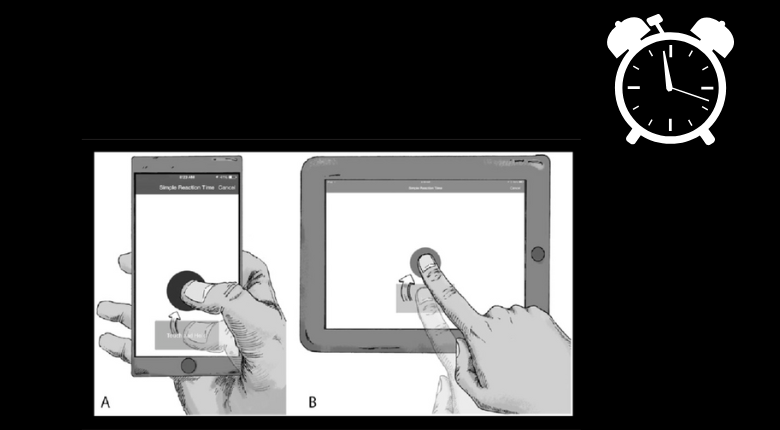
Curious about how your reaction time test stacks up? There are plenty of ways to measure it, from simple online tests to sophisticated professional assessments.
One classic test is the ruler drop test. A friend holds a ruler vertically, and you try to catch it as quickly as possible when they drop it. The point where you catch it corresponds to your reaction time test. It’s low-tech but surprisingly effective!
For the tech-savvy among us, there are numerous online reaction time tests. These often involve clicking on a target as soon as it appears or changes color. While they’re fun and can give you a general idea of your reaction speed test, take the results with a grain of salt. Factors like your internet connection and computer’s processing speed can affect the results.
For more rigorous assessment, professionals use sophisticated tools like electroencephalograms (EEGs) to measure brain latency: understanding neural processing delays and their impact. These tests can provide detailed insights into your brain’s processing speed and help identify any underlying issues affecting your reaction time.
Improving Brain Reaction Time: Train Your Brain Like an Athlete
Ready to supercharge your reaction time test? Good news: there are plenty of ways to give your neural reflexes a boost.
Physical exercises can work wonders for your reaction speed test. Sports like table tennis, badminton, and boxing are excellent for honing your reflexes. They’re like a gym for your reaction time test, constantly challenging your brain to respond faster.
Cognitive training techniques and brain games can also help sharpen your mental reflexes. Puzzle games, memory challenges, and even video games can improve your brain efficiency: unlocking your cognitive potential. It’s like sending your brain to a mental boot camp!
Lifestyle changes can make a big difference too. Getting enough sleep, managing stress, and maintaining a balanced diet can all contribute to faster reaction times. Think of it as creating the perfect environment for your brain to thrive.
Some people swear by supplements to enhance their cognitive function, including reaction time test. While the jury’s still out on many of these, some studies suggest that caffeine, L-theanine, and creatine might have positive effects on reaction speed test. But remember, it’s always best to consult with a healthcare professional before starting any new supplement regimen.
Brain Reaction Time in Various Fields: From Sports to Survival
The importance of reaction time test isn’t limited to catching falling objects or acing video games. It plays a crucial role in many aspects of life, some of which might surprise you.
In sports, reaction time test can mean the difference between victory and defeat. A tennis player’s ability to return a 150 mph serve, a baseball batter’s split-second decision to swing, or a goalkeeper’s lightning-fast dive to make a save – all of these rely on incredibly fast reaction times. It’s no wonder that brain boost techniques: enhancing cognitive function in daily life are becoming increasingly popular among athletes.
When it comes to driving, your reaction time could literally be a matter of life and death. The ability to quickly respond to unexpected obstacles, sudden braking, or changes in traffic conditions is crucial for road safety. It’s estimated that improving your reaction time by just half a second could reduce your risk of a car accident by up to 60%!
In the world of gaming and e-sports, reaction time is king. Professional gamers often have reaction times that would make a fighter pilot jealous. Games like first-person shooters and fighting games require lightning-fast reflexes, with top players able to react in as little as 100 milliseconds.
Reaction time is also critical in emergency response and military operations. Firefighters, police officers, and soldiers often face situations where a split-second decision can have life-altering consequences. Their training focuses heavily on improving reaction times to various scenarios, helping them make the right choices under extreme pressure.